Film
Buttons and Dumplings is a short documentary about preserving the memories and the Cantonese language of parents for future generations through food, storytelling, and everyday family rituals within a Chinese New Zealand family.
The film captures intimate domestic moments, making dumplings, sharing meals, sewing, and conversation, as a way of honouring family history and cultural identity before these memories fade with time.
The title refers to two important symbols in the film. Dumplings represent cultural continuity, care, and togetherness through shared food-making. The buttons reference the father’s profession as a tailor. In one scene, he is shown sewing shorts at his sewing machine, and in the final scene the entire family wears the shorts he made.
This becomes a quiet but powerful expression of connection, labour, and inheritance across generations.
Watch the film here
Graphics - timsang.com
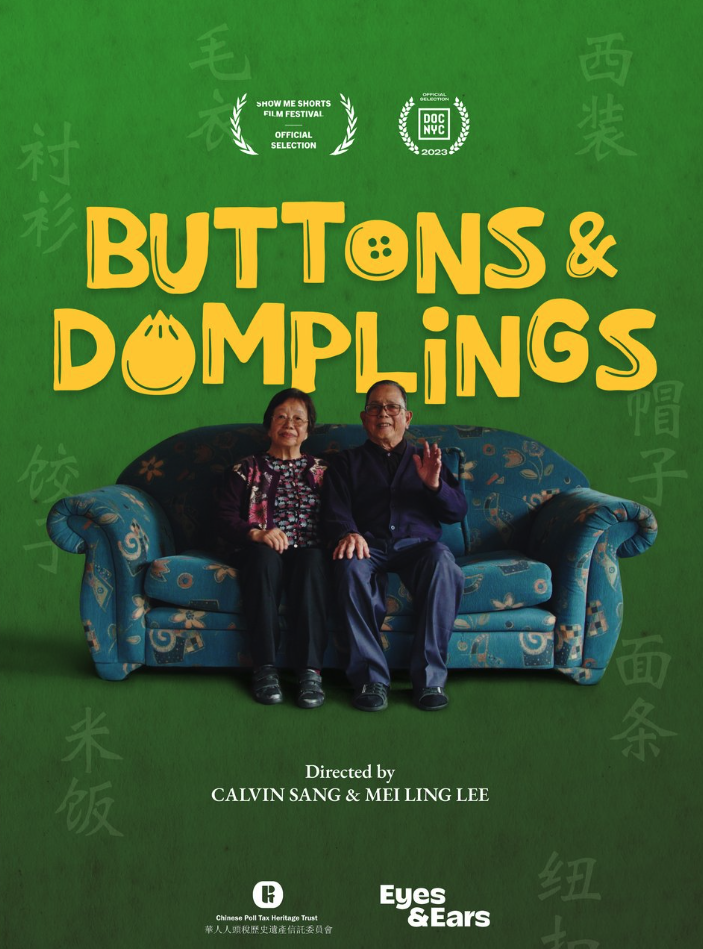
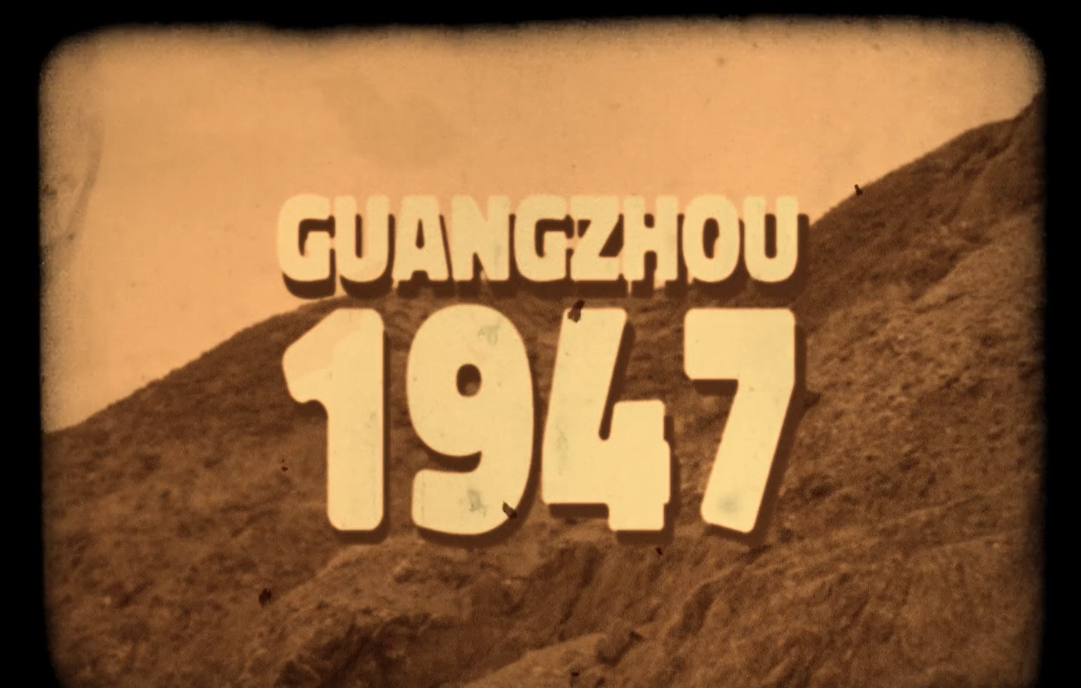
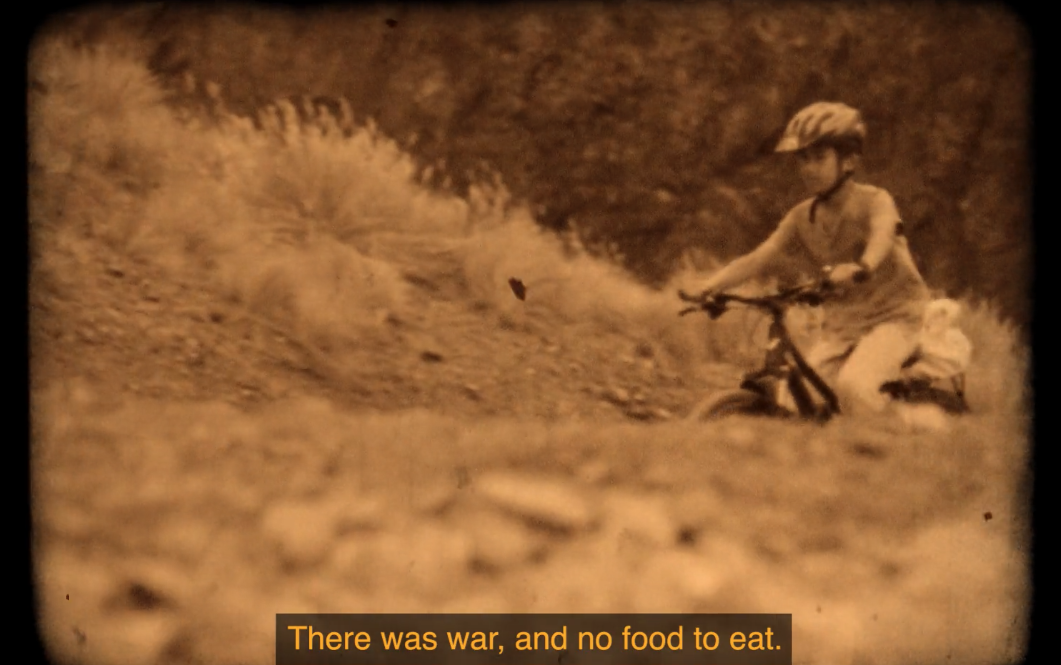
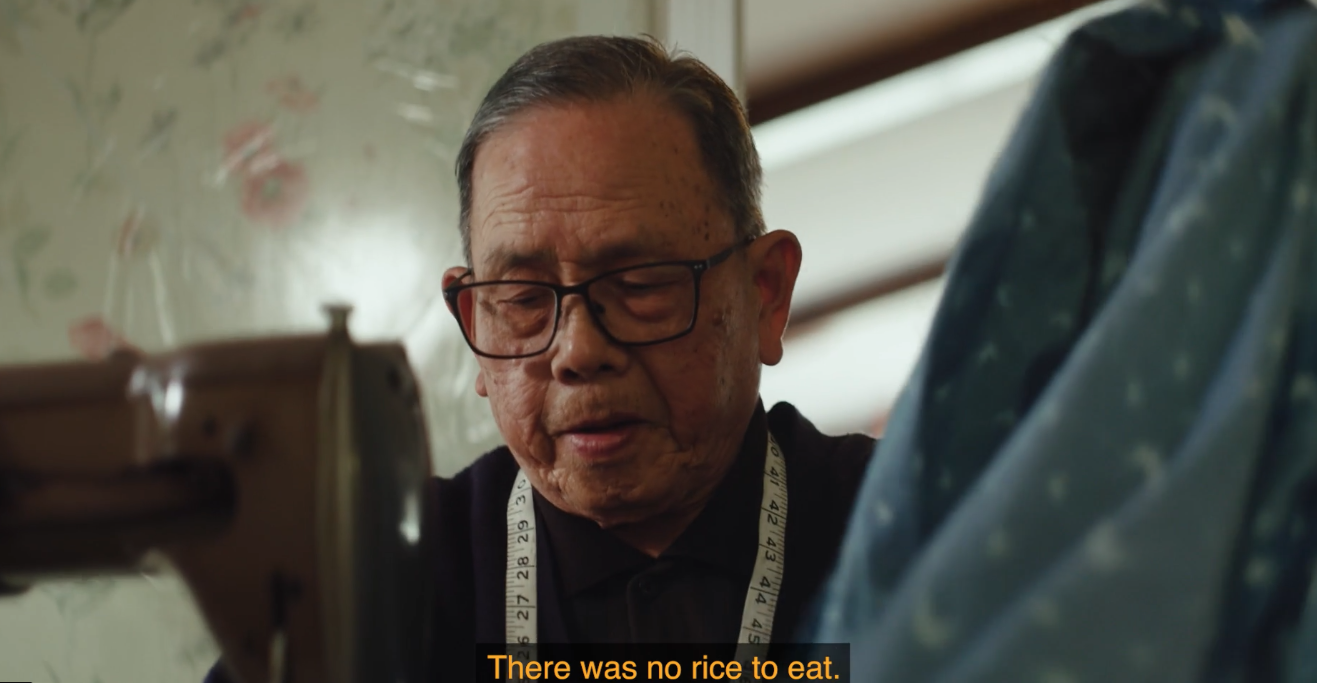
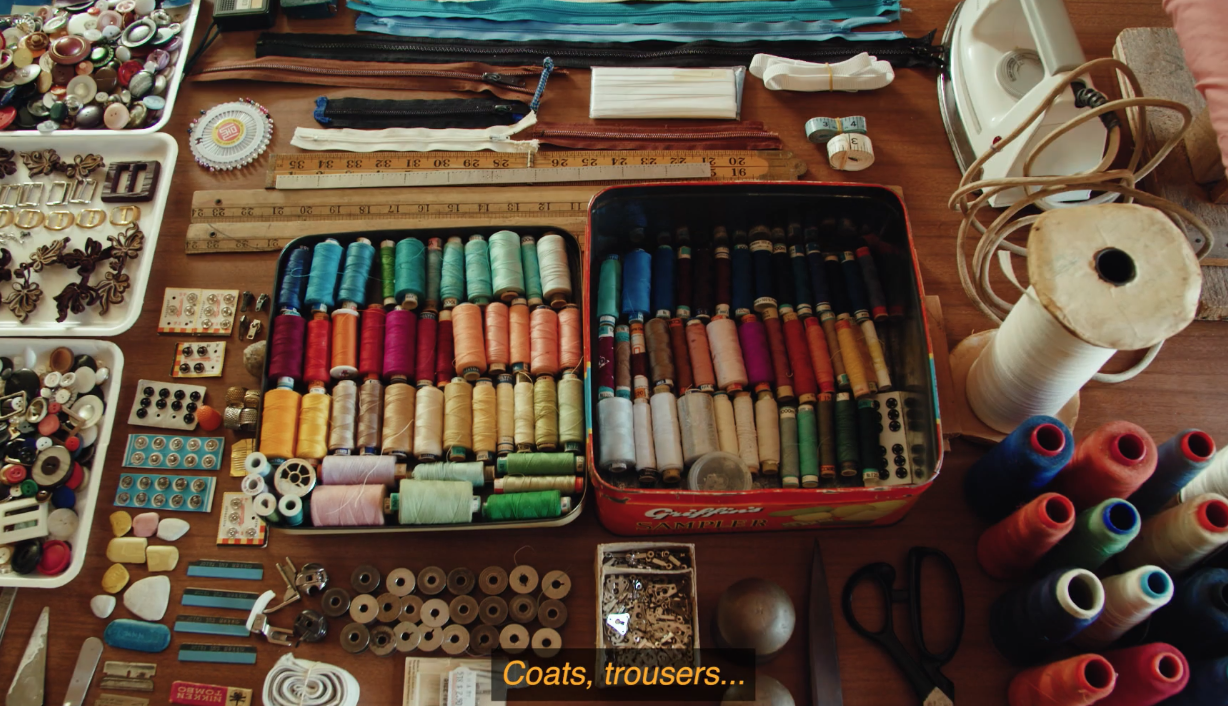
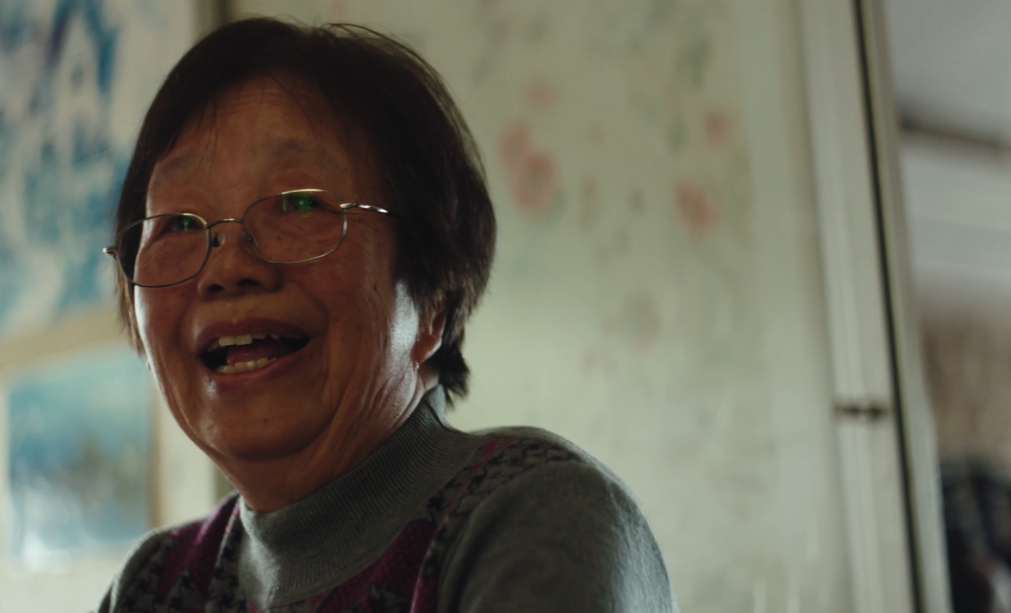
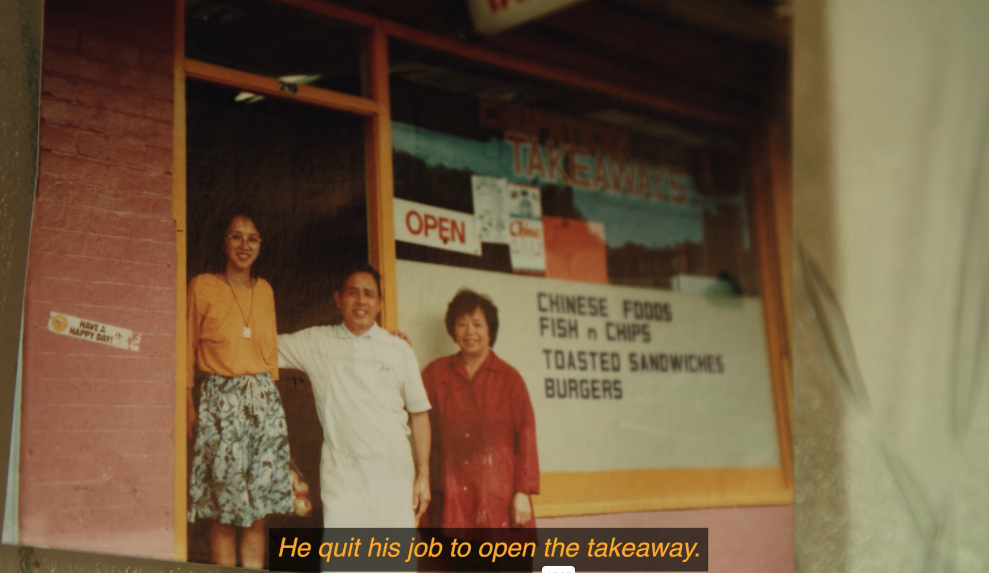
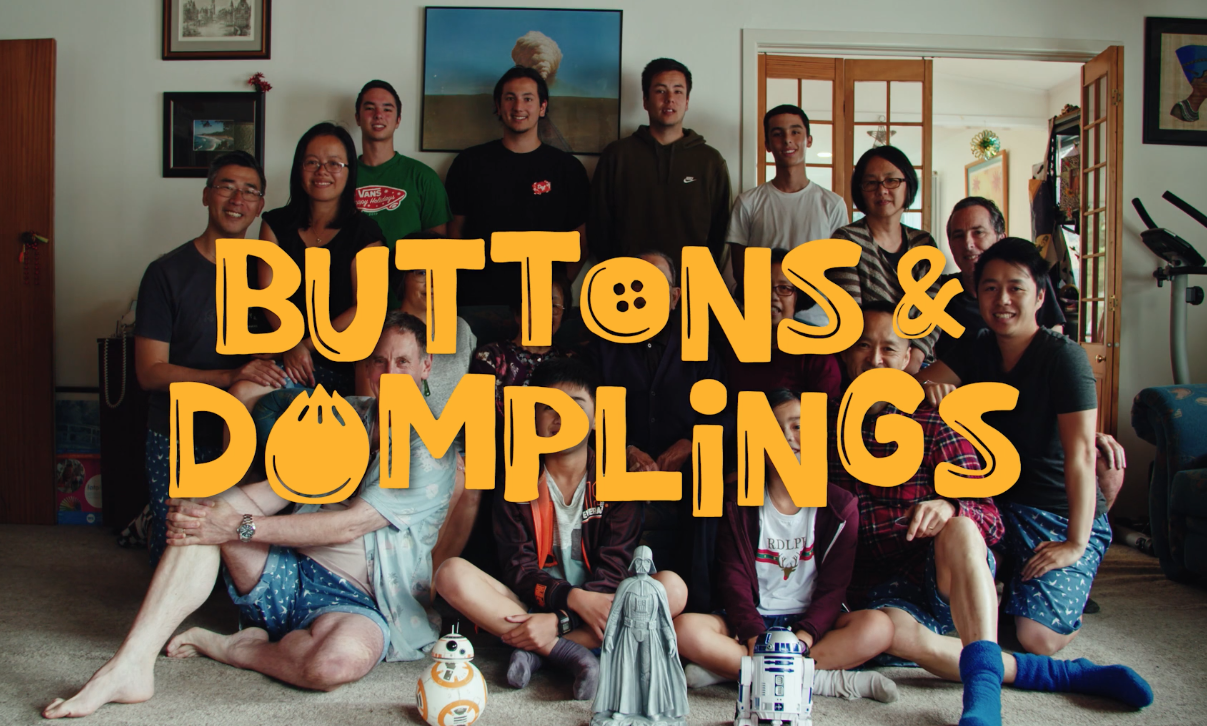
Buttons and Dumplings is an act of preservation and care. Through documenting food-making, tailoring, and family interactions, the film creates a living archive of the parents’ lives, ensuring that their presence, skills, and love can continue to be experienced by future generations.
The filmmaking approach was intentionally intimate and observational. Directors Calvin Sang and Mei Ling Lee used family members as actors, natural lighting, and real family environments rather than scripted scenes. By allowing conversations and actions to unfold naturally, the film preserves not only spoken memories, but also gestures, sounds, and the emotional atmosphere of everyday life.
The translation from Cantonese into English and the editing process reflects the fragmented and emotional nature of memory itself. Observational footage, conversations, narration in Cantonese and symbolic imagery are woven together to create a layered portrait of the parents and their legacy. Rather than presenting a strict chronological narrative, the film invites viewers to experience memory through feeling, repetition, and sensory detail.